You might have heard the term ‘Nature Therapy’ being thrown around a lot lately as the world is focusing more on improving our mental health and well-being whilst we come to terms with the the fact that Coronavirus isn’t going anywhere and the reality that home isolations, border shutdowns and hotel quarantine won’t be going away any time soon. But what is nature therapy and can we incorporate it in our daily lives?
What is Nature Therapy?
According to Good Therapy, nature therapy or eco-psychology, is an emerging field in psychotherapy and was developed by Theodore Roszak. Eco-psychology is rooted in the idea that every single person has a deep connection to nature and failure to nurture this connection through nature-based activities and tasks can have a detrimental toll on our well-being and mental health.
Put simply – it’s the belief that being in nature to help boost our mental health and overall well-being and putting this belief into practice. It can either be incorporated as part of a guided therapy session with a mental health professional or can be activities undertaken individually without a mental health professional.
How you can incorporate Nature Therapy into your life
The current mental health crisis in Australia has pushed waiting times from weeks, to more like 2-3 months before we can even begin to receive tailored and ongoing mental health support with a therapist (this is based on my own experience and the commentary from the services I have reached out to get support). Not wanting to sit on my hands and do nothing, I’m leaning more towards self-help options to help me manage my symptoms and manifest in myself coping strategies that empower me to ground, reflect and get out of my own head. And given that most of us live in areas where we are a short drive, bike ride, walk to a National Park, Nature Reserve, fresh water source (beach or lake) and even our very own backyards – this is a pretty simple and budget friendly well-being option, right!?
Here are a few ways you can incorporate an unguided nature therapy practice into your life.
1. Go for a hike or walk in nature
I absolutely love hiking – in fact my husband and I spent many of our dates when we were dating out on the trails!
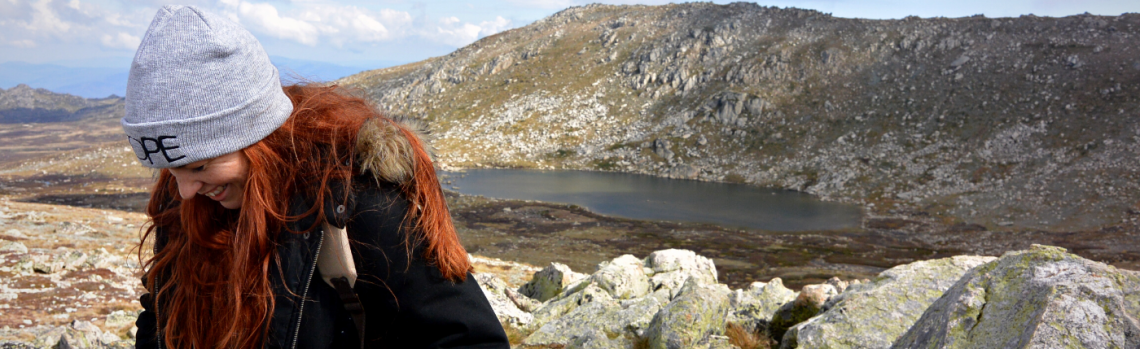
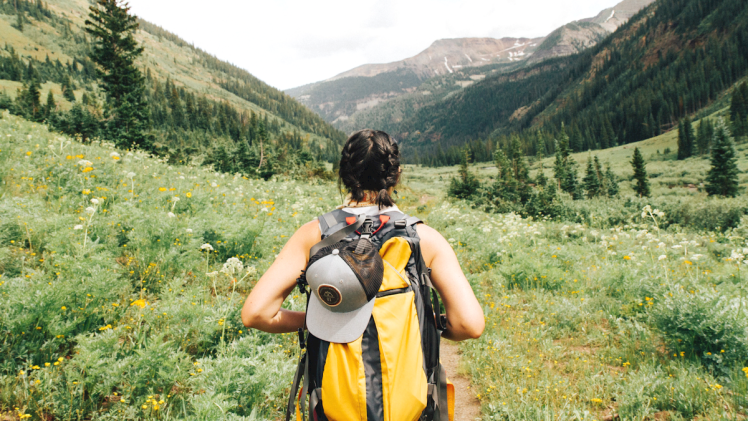
A recent study by Stanford University showed that by simply spending 90 minutes going for a walk or hike in nature there is a decrease in activity in the brain that is generally associated with depression, as opposed to those who walk through the urban jungle. If that’s not convincing enough, the fact that you’ll most likely be surrounded by less people, more native animals and plants, cleaner air and, depending on where you go, the chance to take your trusted four-legged friend Fido for a stroll with you, should have anyone lacing up their hiking boots!
2. Group adventure in nature
Whether you’re white-water rafting, trekking the mountains for a few days, or setting up camp with a group of friends – being immersed in the wilderness surrounded by those who just ‘get’ you, will ground you quicker than walking bare foot in the dirt (though I highly recommend doing that too – always).
Not only will the calming effect of nature have you feeling refreshed, as social creatures the ability to share those experiences with people who share the same interests is great for us to feel supported, connect with our peers and probably create long-lasting memories does a lot for decreasing our sense of isolation and depression. I’ve always found myself to be deeply refreshed after a weekend of camping with our close friends.
3. Horticulture or gardening activities
I’ll admit it – I don’t have the best green thumb but I have always been drawn to being the garden and growing plants (I guess that’s why I’m also a bit of a green witch). Being the garden is something we can do daily – even if you live in an apartment! When my husband and I lived on the top floor of our apartment complex in Sydney we had a few plants on our balcony to add some greenery and nature back to our living space. Even if you just smell your flowers, water your plants, turn the soil, tend to your compost or even meditate amongst the plants- there is plenty you can do in your garden every day to help you ground, connect and uplift your spirits.
4. Explore after dark
Don’t just think you need to reconnect with Mother Earth and the universe when the sun is up – there are plenty of night-time nature activities you can do. If you’re into star gazing, find the best local spot where you can look up at the nights sky. If it’s safe to do so, why not try and find some night time critters in your local area. Look for local after-dusk nature based activities in your local area!
All of the above suggestions we all probably already do but without realising the benefits to our mental health! So what better excuse do we need to keep heading out into nature and keep doing the things we already love?!
What are some ways you use nature for your mental health? Let me know!
Much love,
Lara X
Psst. Follow me on social media!
You might also like

San Diego to San Francisco: A 7-Day Californian Road Trip
Wind the Big Sur, walk the same halls as infamous criminals, wear flowers in your hair and see where the summer of love originated and knock your line dancing boots – all in this 7 day Californian road trip.
Read More
8 Travel Quotes to Inspire Your Next Adventure
Raise your hand if you love a good quote? If you’re needing a little bit of travel inspo, or just love a good quote, here are my top 8 fave travel quotes.
Read MoreLatest on the ‘Gram

 Rosè Nomad