
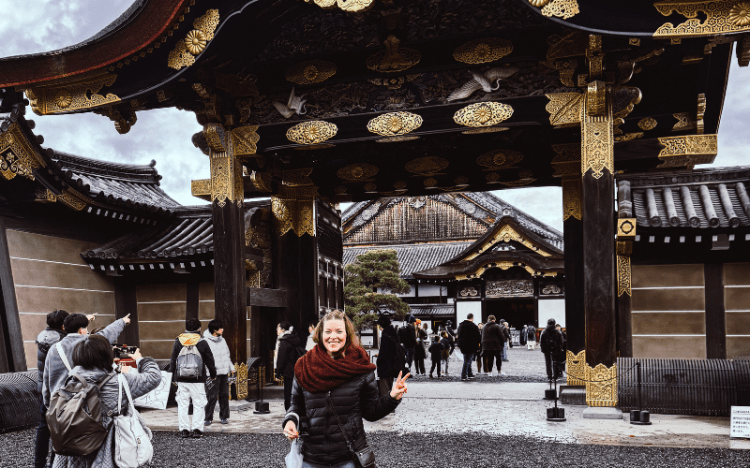
Kyoto is a city where time seems to slow down. Ancient temples sit quietly among narrow streets lined with traditional and modern townhouses, while the scent of incense drifts through gardens and marketplaces. For the intentional traveller, Kyoto offers a chance to pause and breathe. It allows noticing the small and beautiful details that often go overlooked in life. Think of it as the place for your own Eat Pray Love moment. A chance to slow down, reset, and reconnect, without the chaos that usually forces it.
I spent five days exploring Kyoto, immersing myself in its history, culture, and quiet charm while my husband attended his friends’ bucks party. I wandered through bustling marketplaces, meandered through vibrant gardens, explored historical temples and castles, and learned about the intricate traditions of the Geiko in the Gion District. In this blog, I share my five day Kyoto sightseeing highlights and cultural adventures. This isn’t a jam-packed itinerary of everything to do in Kyoto. It’s a condensed, gentle guide that leaves space for quiet moments, allowing you to truly experience Kyoto and have a relaxing holiday without feeling rushed.
Day 1: Arrival in Kyoto and Exploring Nishiki Market
My husband and I planned a hybrid trip to Japan. One part celebration of my first year in a new career, the other part to join his friends’ bucks party. We spent a few days together in Tokyo. Then, we both travelled to Kyoto. There, we went our separate ways. He went to the bucks party, and I explored Kyoto on my own. I was a little nervous about navigating a new city solo. Yet, from the moment I arrived, Kyoto felt safe, serene, and welcoming. It is one of the best destinations for solo female travellers (in my opinion anyway).
After checking into my hotel, I did what I always do when I’m in a new city – I headed straight out to explore the neighbourhood. There’s something about that first walk in a new city where you’re wandering just out of pure curiosity. That wandering led me to Nishiki Market, affectionately known as Kyoto’s Kitchen by locals. Tucked inside a long, covered arcade near the city’s central shopping district, this is a place where Kyoto’s culinary soul quietly thrives. There were stalls selling beautifully arranged pickles, matcha sweets wrapped like gifts, delicious skewers of meat, and tasty crepes. This is a spot where you definitely need to bring your appetite with you.
If you’re lucky, you might get the chance to watch some traditional music being played in the shrine located in the market. Yes, a shrine is located in the marketplace! I stumbled upon it while exploring the stalls of the market and stayed for a little while enjoying the music being performed.
Quick tips for visiting Nishiki Market:
- Best time to visit: morning for the freshest produce and fewer crowds
- Must-try foods: pickled vegetables, matcha sweets, and savoury skewars
- Nearby attractions: central shopping district for souvenirs and local snacks
I spent the rest of the afternoon exploring the markets and the central shopping district, picking up tasty treats and souvenirs. This is a must-visit spot for foodies and anyone exploring Kyoto solo.
Day 2: Nijo Castle
The next morning began with a visit to Nijo Castle, a top Kyoto attraction for history lovers. Nijo Castle was about a 30 minute walk from the Hilton Garden Inn, which is where I was staying. I had booked a group tour but ended up being the only guest. This made for quite a memorable private tour through one of Kyoto’s most significant historical sites.
Nijo Castle was originally built in 1603 as the Kyoto residence of Tokugawa Ieyasu. He was Japan’s first Shogun of the Edo period and the castle symbolised military power rather than royalty. In fact, since the Emperor resided in Kyoto, the Shogun could not live in Nijo Castle full-time. This castle was used for the Shogun to conduct his business. It was also where he held meetings with Daimyo and met with the messenger of the Emperor. My tour guide told me the Shogun usually dreaded the meeting with the Emperor’s messenger. It was not really because of anything being said. It was because it was the only time in a meeting room where he would be delegated to the lower floor while the messenger would be on the platform above him. I mean, talk about a subtle power move that was sure to bruise egos.
I also learned that the order of the rooms was very telling and deliberate. The peasant rooms were next to the room used to meet the emperor’s messenger. The Shogun would never use these rooms as he didn’t meet with peasants. But the Samurai and councilors would meet the peasants in these rooms. By placing the messenger room next to these peasant rooms, he reminded the messenger of their status. The messenger was on the same level as peasants because they were not near any rooms used to meet with nobles. Wild!
Inside the castle photography isn’t allowed, and honestly I agree with that rule. Walking through the castle should be something that you experience. It should be something that you feel. It should not be seen through the lens of your camera or phone. Sure, there were things I would have loved to have taken a photo of so I can remember it for years to come. But standing there with your camera up would have taken away from the awe of the place. You would have missed some of the finer details of the palace. For example, in the room that had tigers painted on the walls, the artist didn’t really know how the face of the animal looked. Since there were no tigers in Japan, the artist depicted some tigers with a dragon face. Others had a monkey face. There was even one that had a more human-like face.
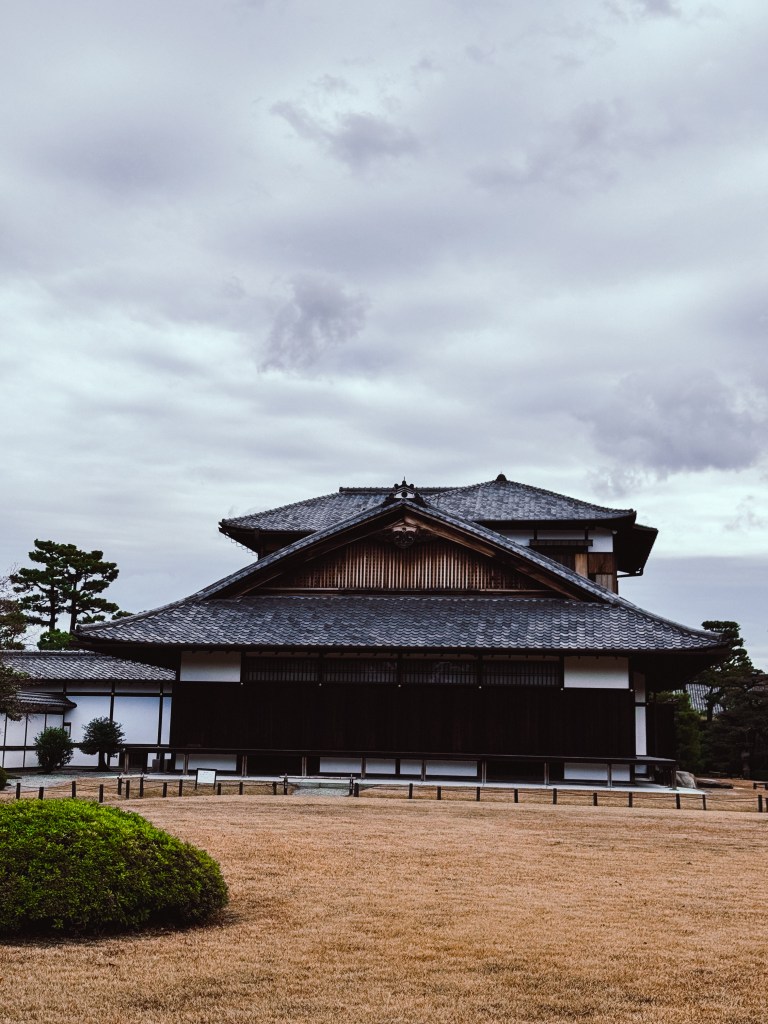
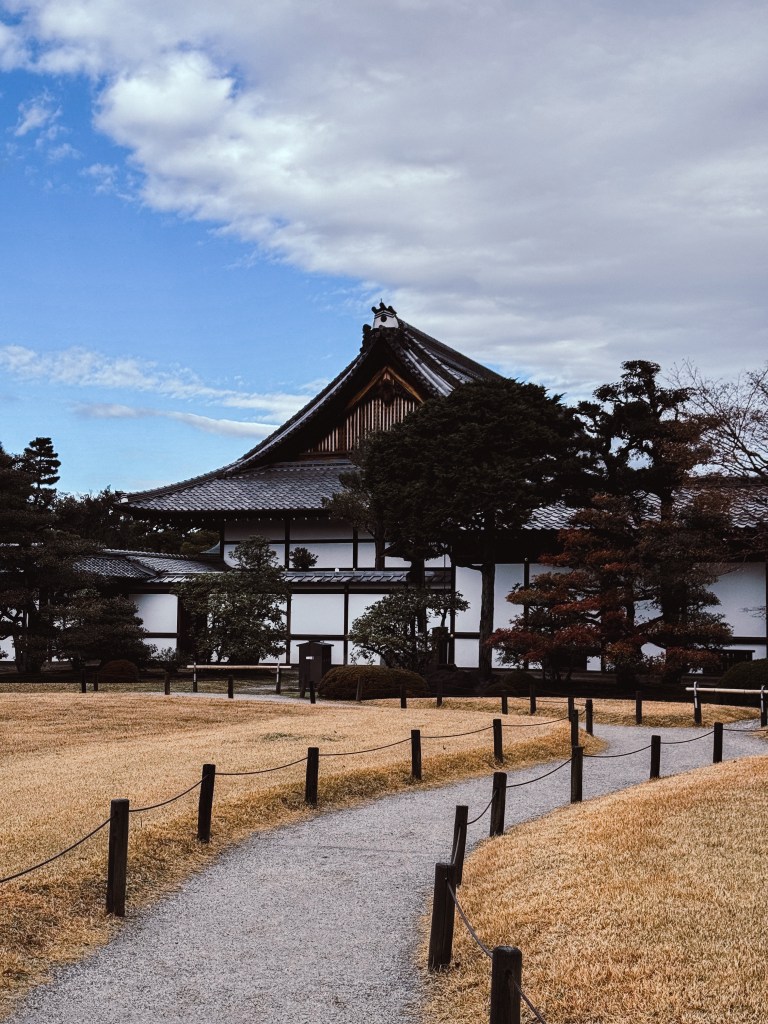
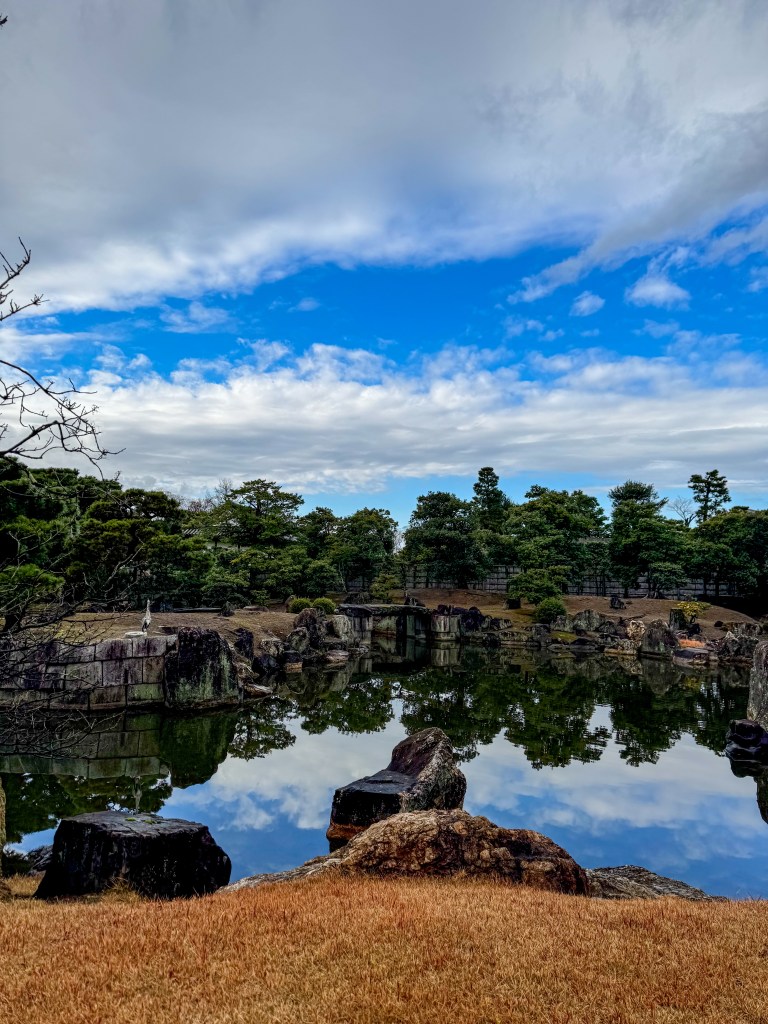
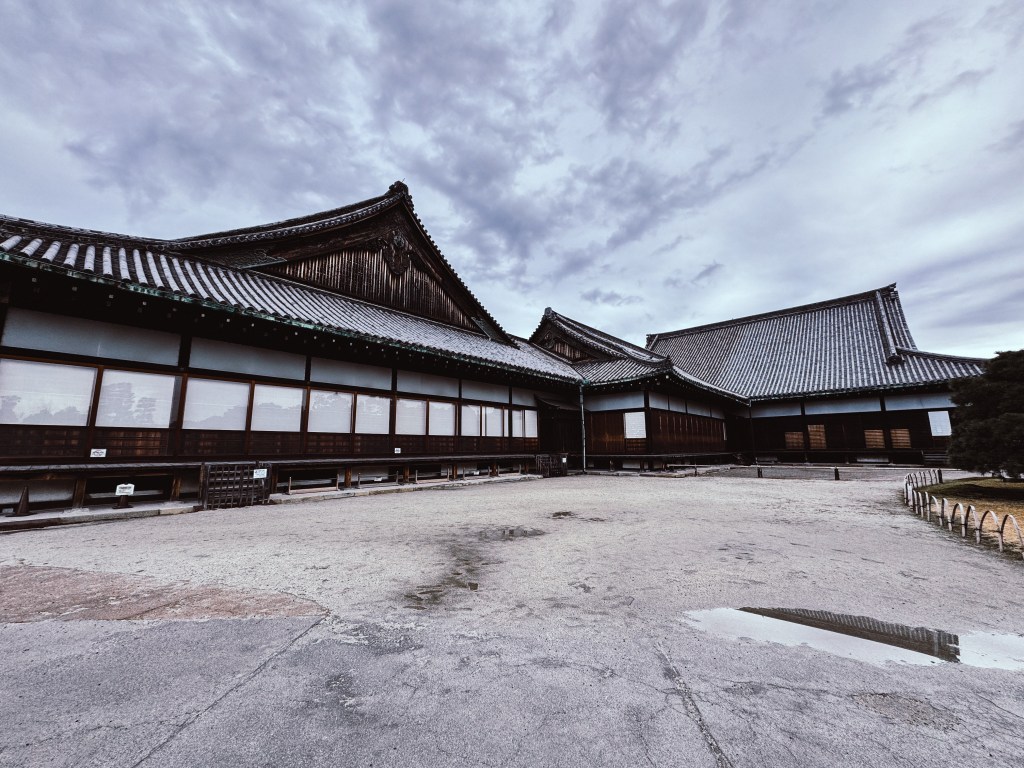
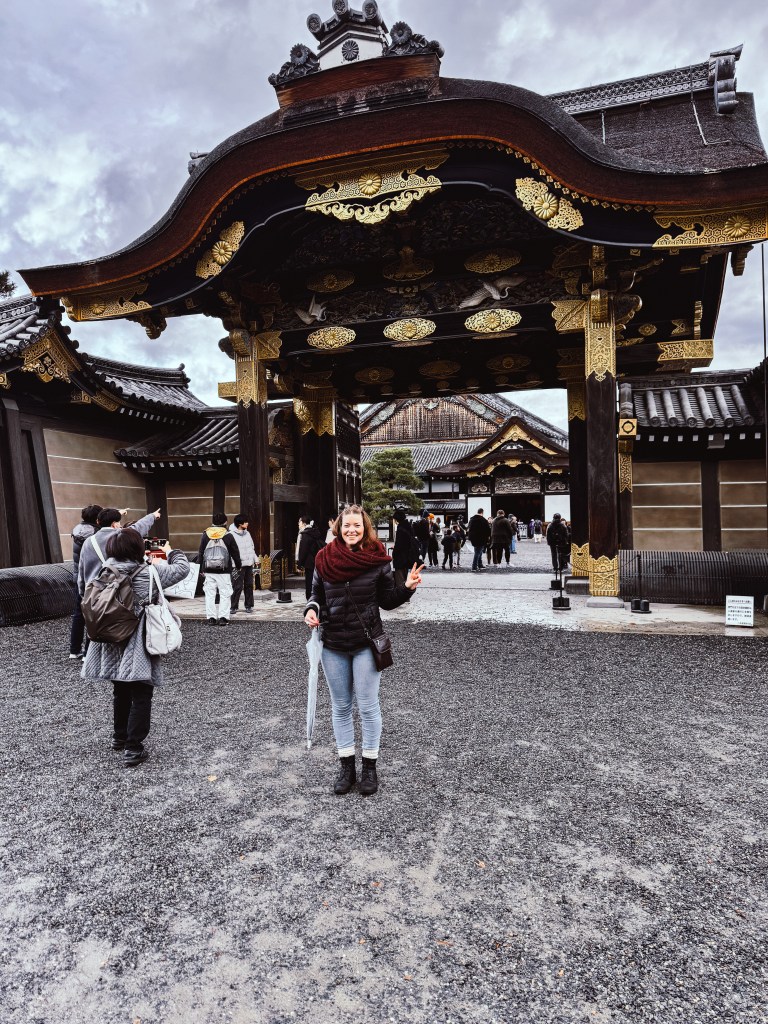
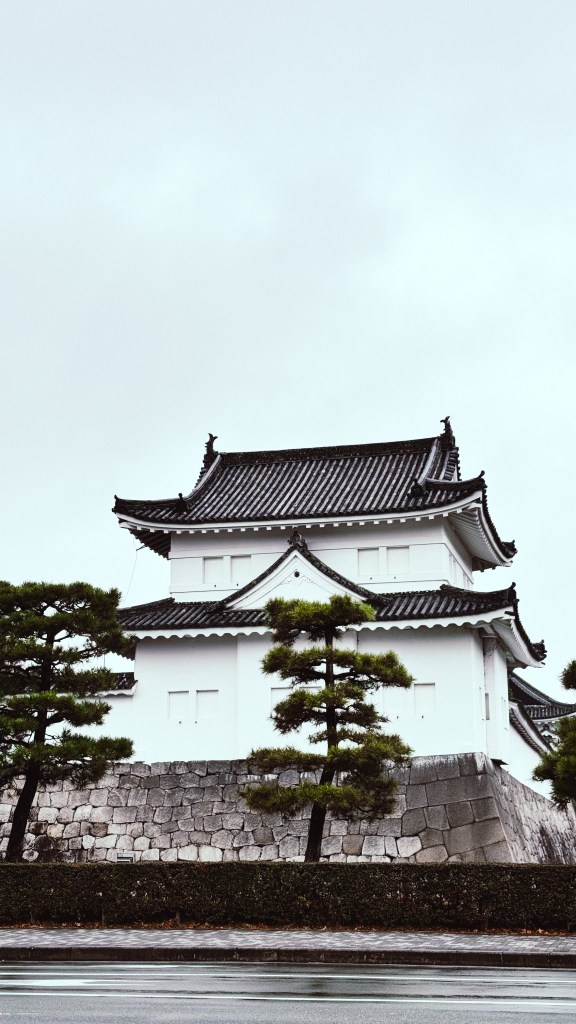
During your visit to Nijo Castle, you’ll see lavishly painted rooms. You will also find visual representations of meetings with the Shogun featuring dummies. There’s even a blonde haired dummy that is meant to represent the British/Portuguese sailor who ended up being a trusted advisor of the Shogun and is depicted in the TV show Shogun. You will have an opportunity to walk along the Nightingale floors. They chirp underfoot to alert guards of intruders in the building. I found this to be a really cool bit of architecture that made me think about how small details can have such a profound impact.
Outside the castle buildings are gardens that are meticulously designed and are so serene to walk through. Here, photography is welcome. I took countless photos as inspiration. I can use these for my try at creating a (much) smaller Japanese garden in my home.
Quick tips for visiting Nijo Castle:
- Getting there: it’s roughly a 30 minute walk from central Kyoto hotels
- Footwear: you will be asked to take your shoes off to enter the inside area of the Castle. Be sure you have shoes that can easily be taken off (and maybe wear matching socks!)
- Timing: morning visits are recommended to avoid crowds
Day 3: Tea, shrines, and Geisha history in Gion
This day marked my 16-year remission anniversary where I decided to treat myself to breakfast at Blue Bottle Coffee Kyoto. There, I enjoyed their granola with warm milk and tea. It was hands down the best tea and breakfast I had in Japan. Simple, comforting, and slightly elegant, it was perfect for such a special day.
From the cafe, I walked about 30 minutes toward the Kyoto Imperial Palace. Sadly, I discovered it was closed for the day! But, disappointments often redirect you to exactly where you’re meant to be. In this instance, I think the universe was encouraging me to spend the rest of the morning exploring Kyoto Gyoen National Garden. This garden is a vast green space scattered with shrines, gravel paths, and quiet corners where you can sit and breathe in the calmness. I explored one small shrine called Munakata Shrine, which completely stole my heart. It wasn’t because of its size or grandeur. It was because a shrine cat was sitting calmly on the rooftop of one of the shrine buildings. Given how much cats are worshiped in Japan, I took it as a good sign. But I swear it was quietly judging me in a way that only a cat can!
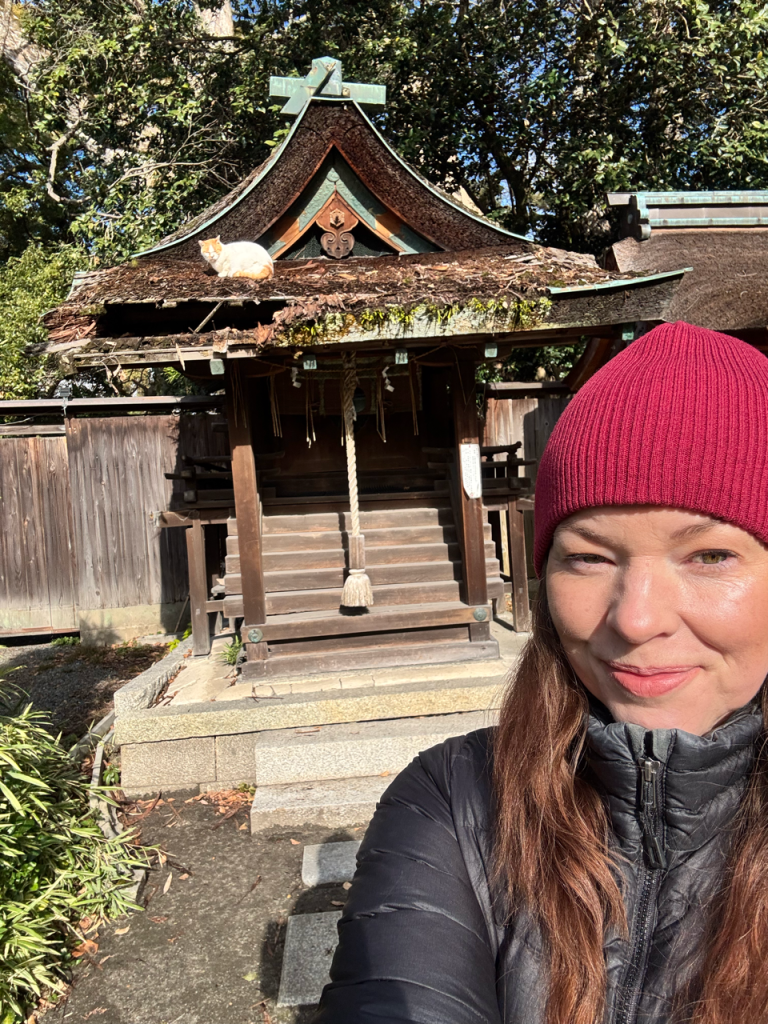
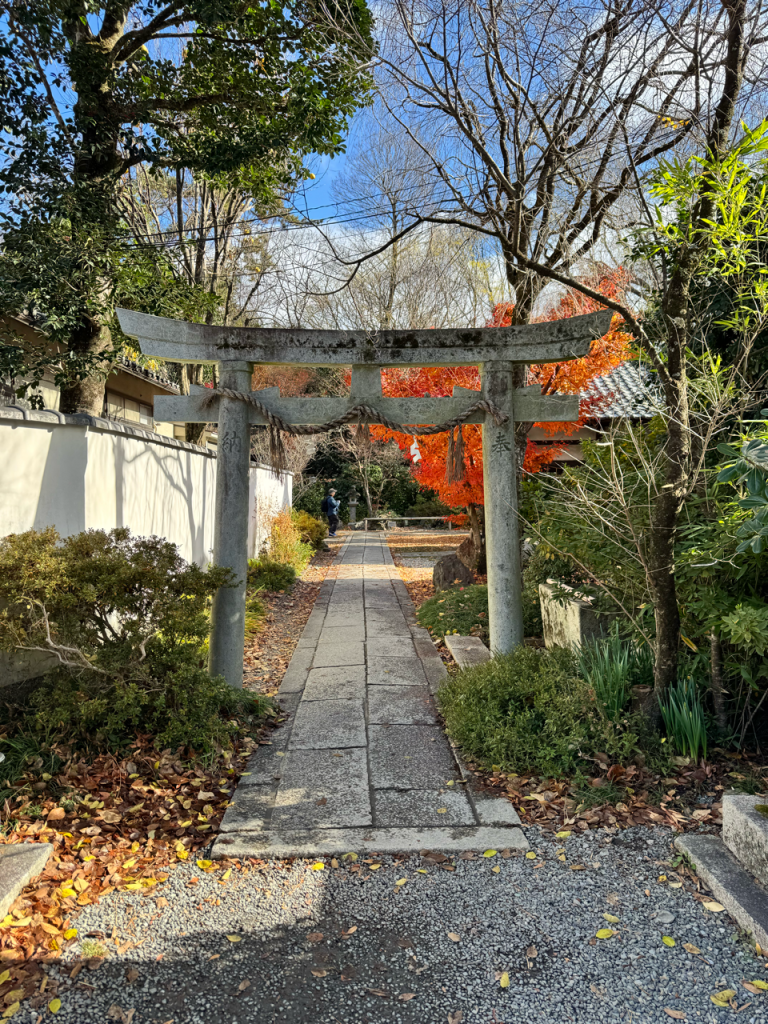
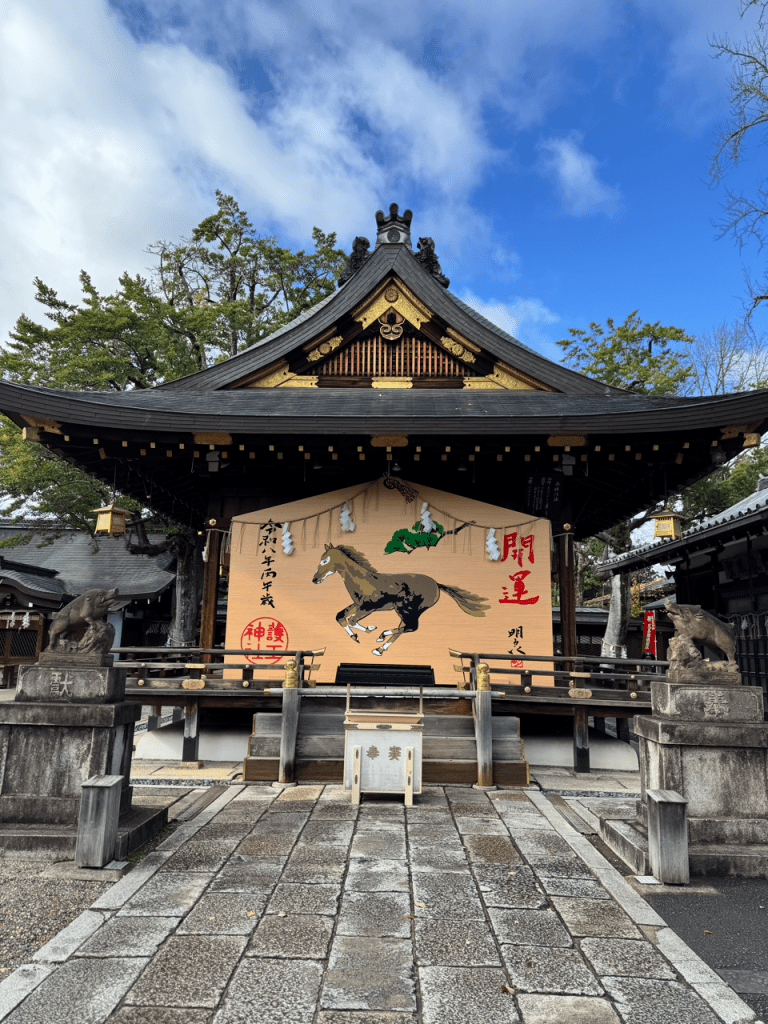
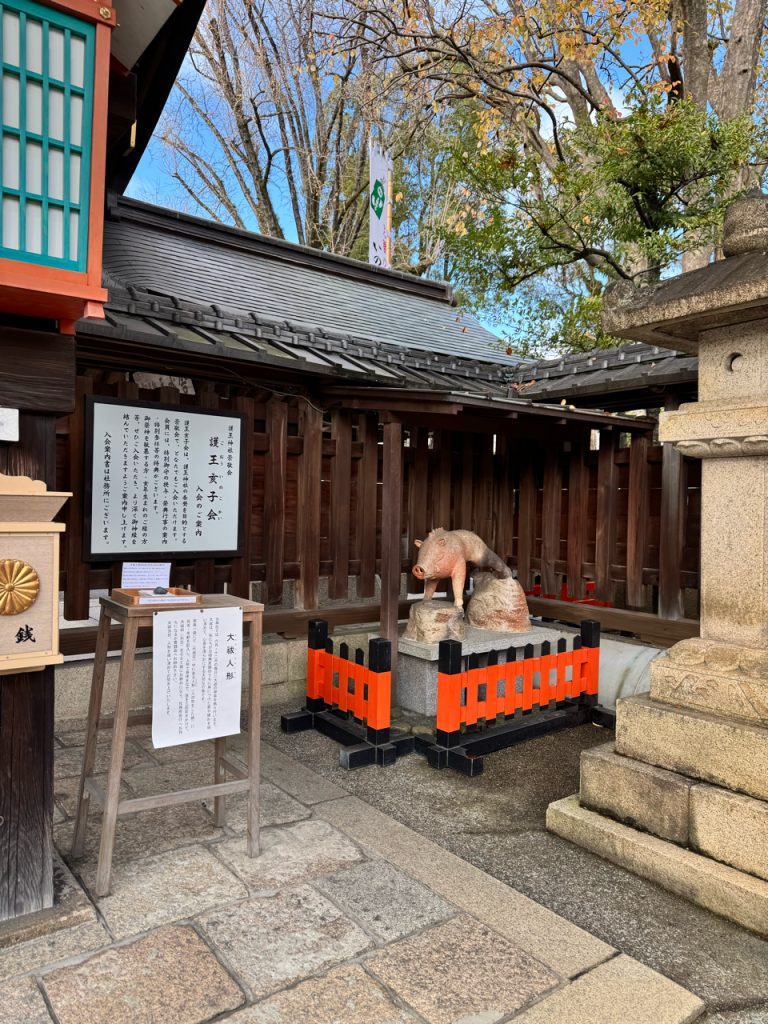
Later on, I stopped at Okakuencho Shrine which intrigued me because of all of the boar statues. I later learned that boars are symbols of protection and courage. These shrines ended up being the perfect way to spend my morning.
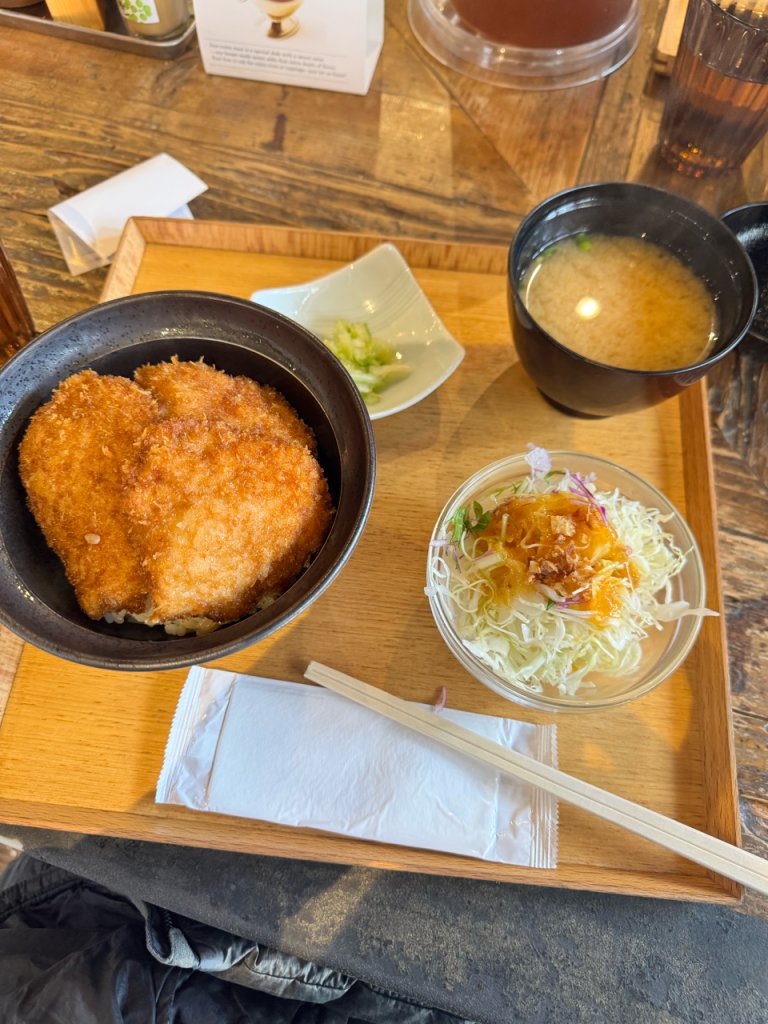
Then I headed back the central shopping district to have lunch at Tare Katsu, a popular restaurant. Eating here was one of those moments where I felt truly immersed in the bustle of everyday Kyoto life. It was also the first time I used chopsticks for an entire meal. This might seem like nothing to some, but I had worked really hard practicing before our trip because I didn’t want to be the tourist that needed cutlery.
In the afternoon, I joined a Geiko (Kyoto Geisha) culture and history walking tour by Kens Kyoto Tours which was not only the highlight of my day but my entire trip to Japan! Again, I was the only person on this tour so it ended up being a deeply informative personal tour, allowing me to ask so many questions (which I appreciate my tour guide was gracious to answer all of them).
On this tour, we explored two geiko districts in Kyoto, in particular the very famous Gion district, where I learned:
- “Geiko” is the correct term in Kyoto; “Geisha” is used in Tokyo
- Apprentices are called “Maiko” and they train for 5-6 years starting at 15-16 years old
- Geiko are female artists trained in music, dance, etiquette, and conversation, not entertainers in the Western sense.
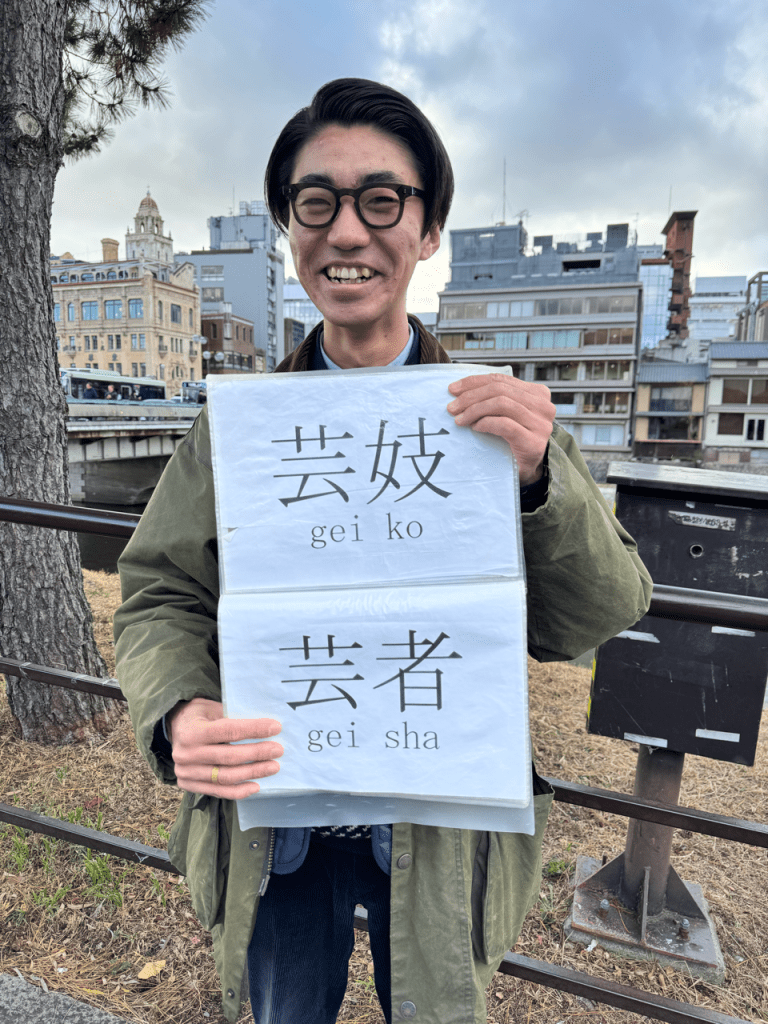
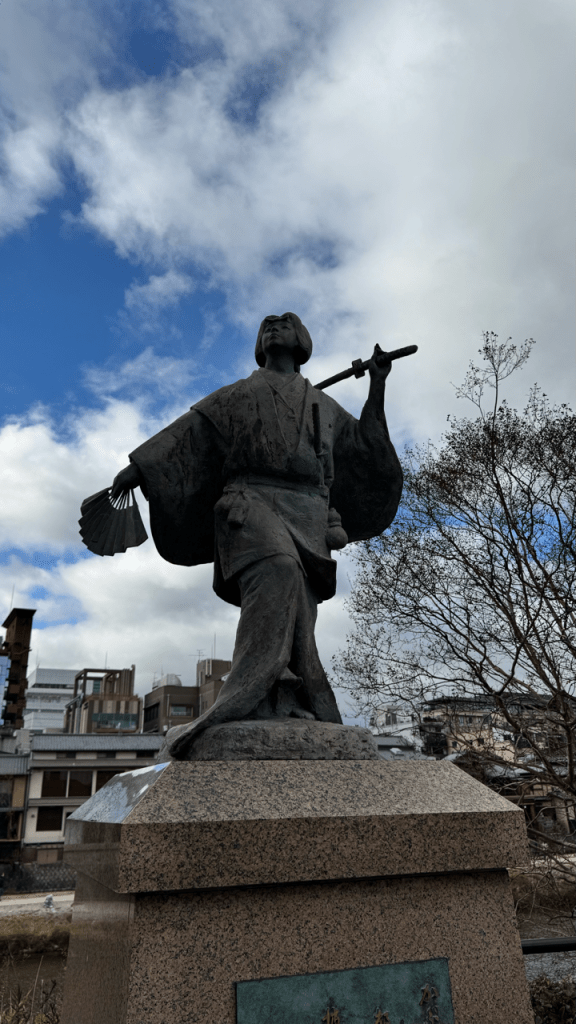
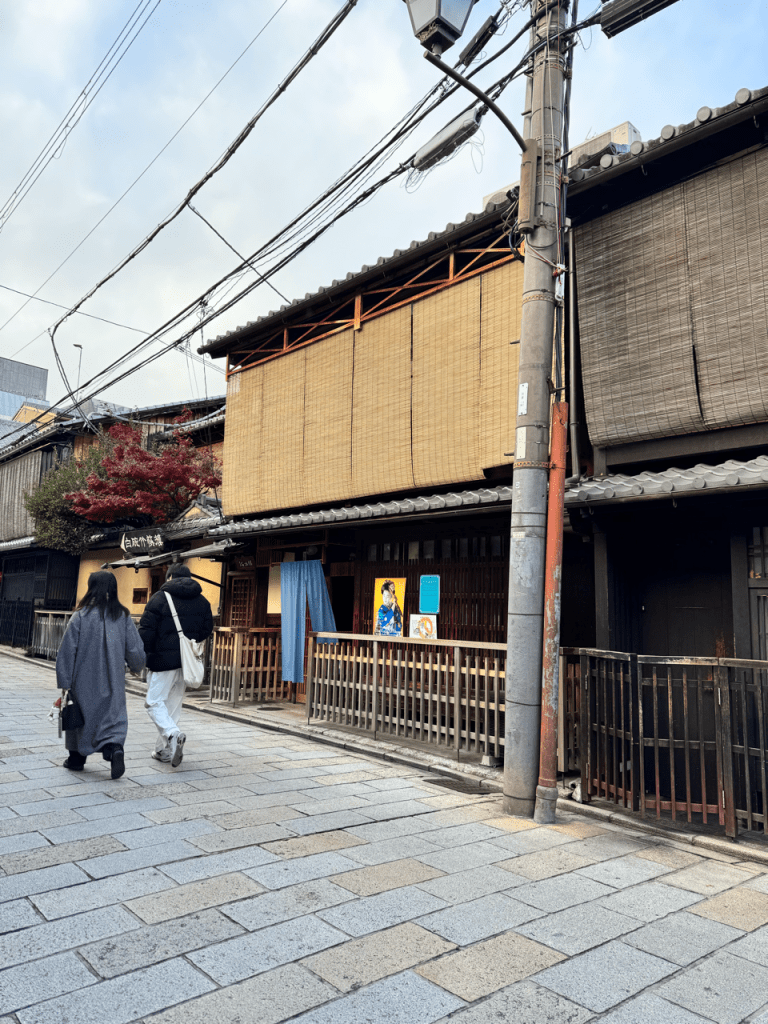
The tour focuses on dismantling every Hollywood myth surrounding “Geisha” and “Geiko” culture and replace it with historical and cultural nuance, respect, and context. I absolutely loved this part of the tour and that it was seamlessly and intentionally woven throughout.
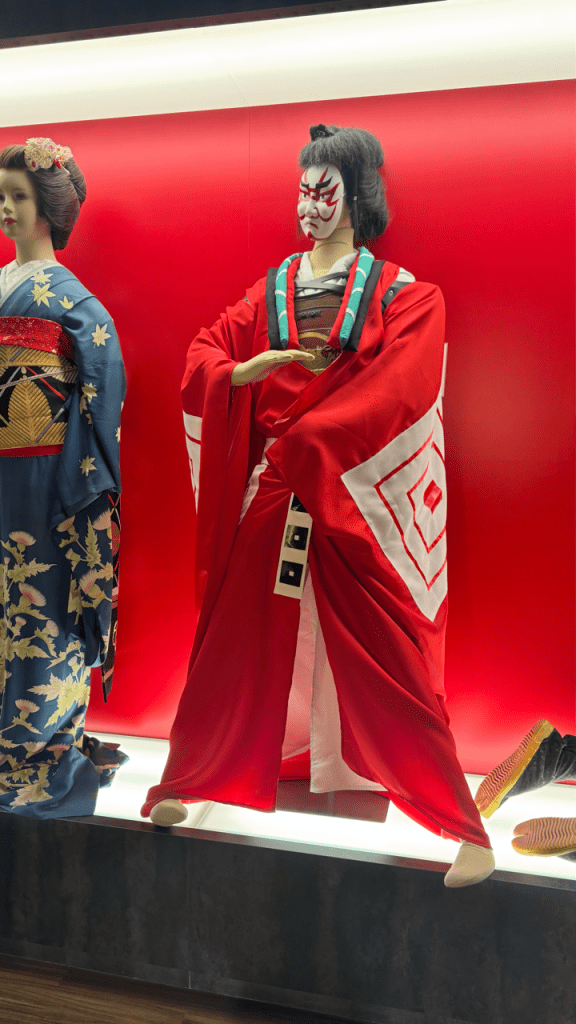
One of the things I loved learning on the tour was about Izumo no Okuni, the woman credited with creating Kabuki theater. In the early Edo period, women were later banned from performing Kabuki, a cultural shift that played a significant role in the Kabuki tradition that we see today. I also learned that actually getting an audience with a Geiko or Geisha was really difficult as it is an exclusive community. You either need to know the agency owner (the person who owns the Geisha/Geiko house) or be invited by someone who is a regular, who is someone that is deeply trusted by the agency owner. Also, only females could own a Geisha/Geiko house, and these houses would usually be handed down to females within the family of the agency owner or, if there was no female family member, the agency owner would give the agency to the oldest Geisha/Geiko in the house.
The highlight of the tour was visiting a tea house in the second Geiko district and meeting with a real life Maiko! I was so incredibly nervous I didn’t know what to ask her, but conversation flowed seamlessly, even if it was conducted with a translator in between. I watched her perform two dances, the first of which was my most absolute favourite as it was a beautiful traditional dance to celebrate winter. Then we played a traditional game, which was so much fun! I may have lost the game but I gained an experience that has imapcted me so much and left a desire to learn more about Geisha/Geiko culture and history. Learning about Geiko traditions on this tour gave me a deeper appreciation for Kyoto, not just as a historical city, but as a living culture where artistry, discipline, and grace still shape everyday life.
Quick tips for Geiko tours in Kyoto:
- Tour guide: I highly recommend Ken’s Tours Kyoto. This was an incredibly informative, respectful, and fun tour.
- Book early: private tours are limited and book out quickly.
- Cultural tip: respectful behavour and quiet observation are appreciated. Listen to your tour guide who will inform you of what to do and how to act during certain moments of the tour.
Day 4: Imperial Palace and Macho Men
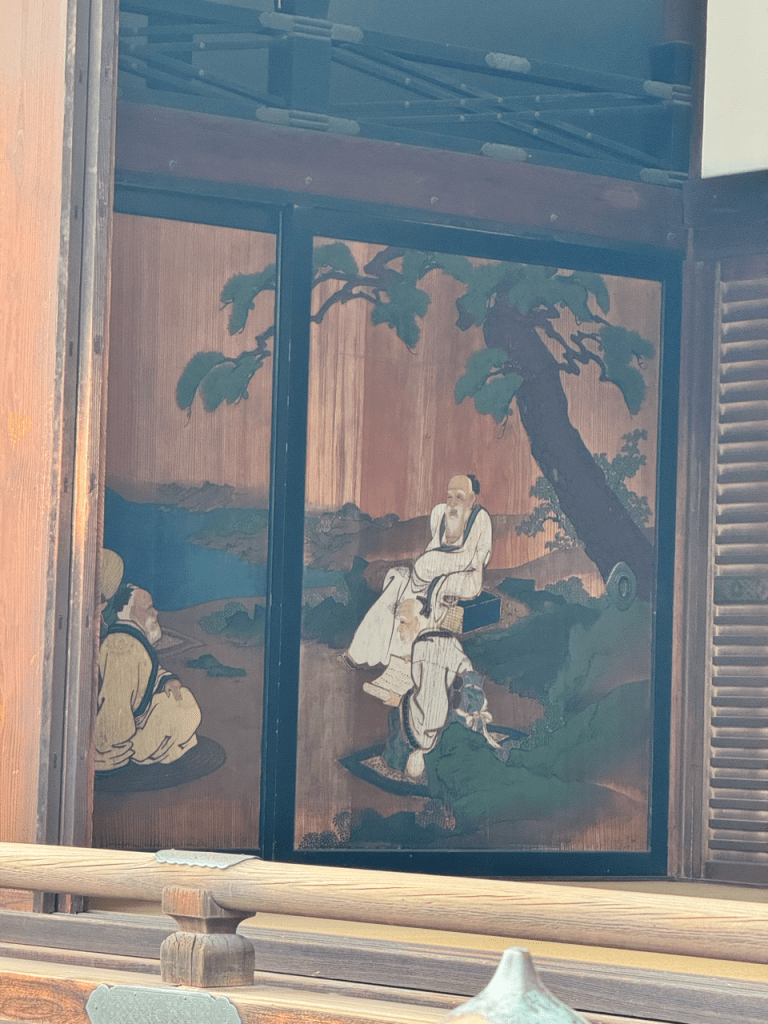
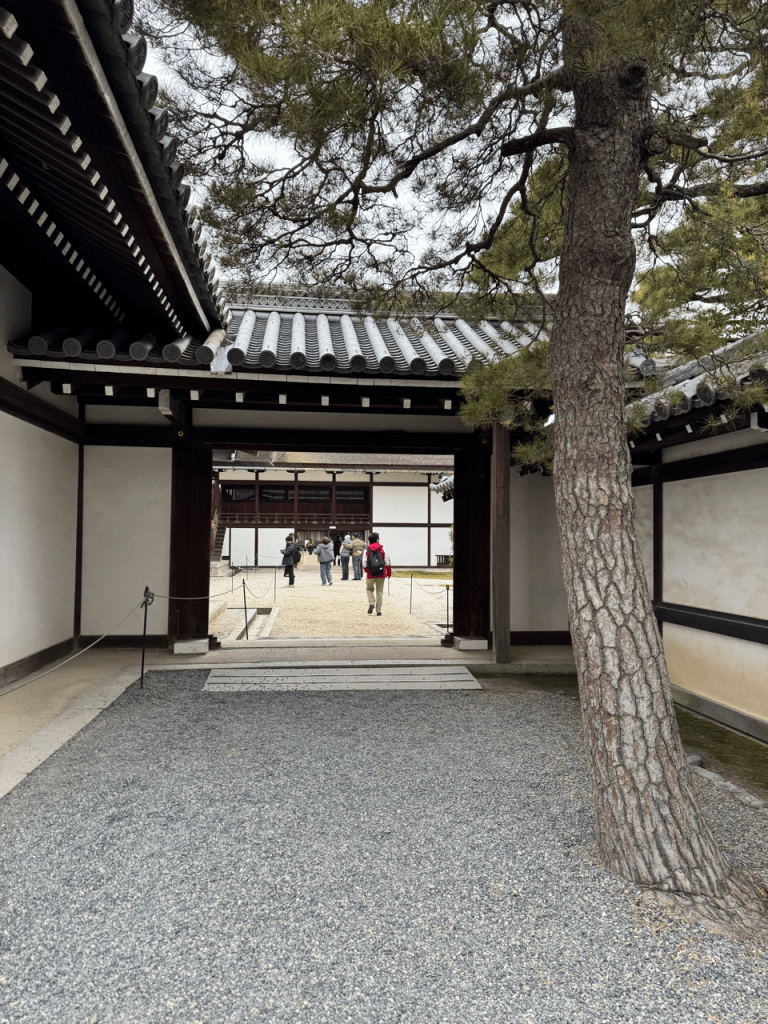
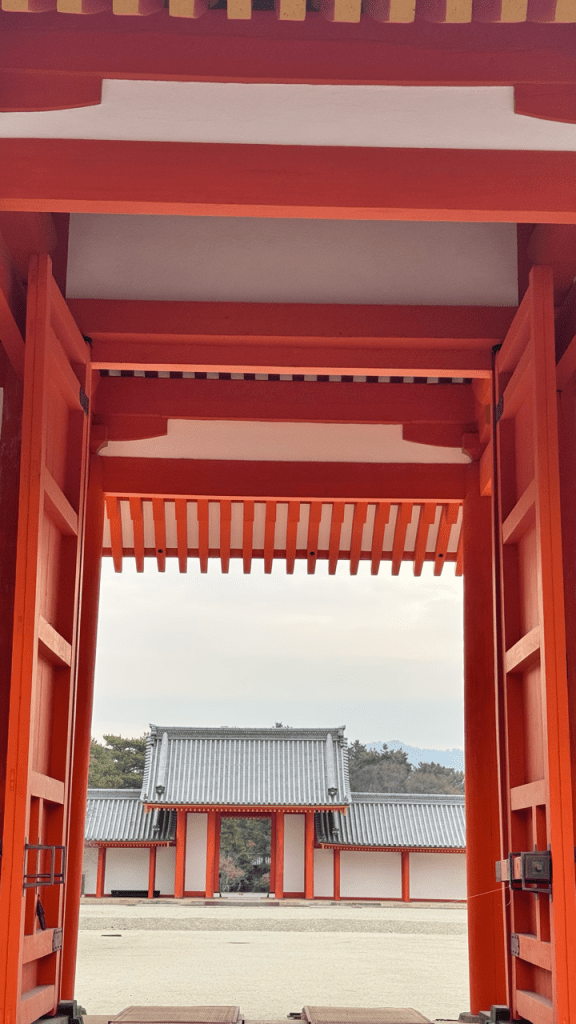
In the morning, I strolled back up to the Imperial Palace for my second attempt at visiting this historical site, and, thankfully, this time it was open. Visiting the Kyoto Imperial Palace felt like stepping back into a calm, timeless, and at times, otherly world. Wandering through the grounds, I paused at very corner and simply breathed in the serenity (and history) of the place that has endured for centuries. I tried to imagine what it must have been like centuries ago for people who came here. What was it like for the women? What would a day be like for a Samurai here? The experience left me with a deep curiosity to go beyond the Hollywood films, I wanted to learn more about the real imperial life and traditions. It also gave me newfound appreciation for the way history, culture, and ceremony are so beautifully intertwined in Kyoto.
Quick tips for visiting the Kyoto Imperial Palace:
- Getting there: Located within Kyoto Gyoen National Garden, the palace is accessible by several nearby subway stations including Imadegawa Station.
- Check opening days: The palace occasionally closes for events or maintenance, so check opening days before planning your visit.
- Allow time to wander: The surrounding Kyoto Gyoen National Garden is vast and peaceful, so allow extra time to explore the grounds and nearby shrines.
After our morning of royalty and tradition, that night my husband and I embraced Kyoto’s fun and unexpected side at Macho Man Bar. This bar is high-energy and unapologetically fun! This bar is where bodybuilders and fitness performers put on a playful show to iconic 80’s music (the best decade of music if you ask me!). Every visitor that steps into the bar gets the princess treatment and are carried to their seats by these muscular men. So yes, not only was I carried to my seat at the bar but so was my also very muscular husband! It was fun, full of laughter, and chaotic in the best kind of way. It was a reminder that even in a city that is steeped in history and tradition, there’s a side that reminds you that there’s always room for fun!
Day 5 Samurais, Ninjas, and a Japanese Garden
On my last day in Kyoto, my husband and I visited the Samurai and Ninja Museum, diving into Japan’s history beyond Hollywood imaginations.
I learned:
- Samurai (meaning “to serve”) were loyal servants of the Shogun, not just warriors.
- Ninjas were spies and intelligence masters, often disguised as farmers, wearing navy blue (not black) to blend into darkness.
- Samurai used guns in addition to swords and bows.
- Women could be Samurai if they were born into Samurai families.
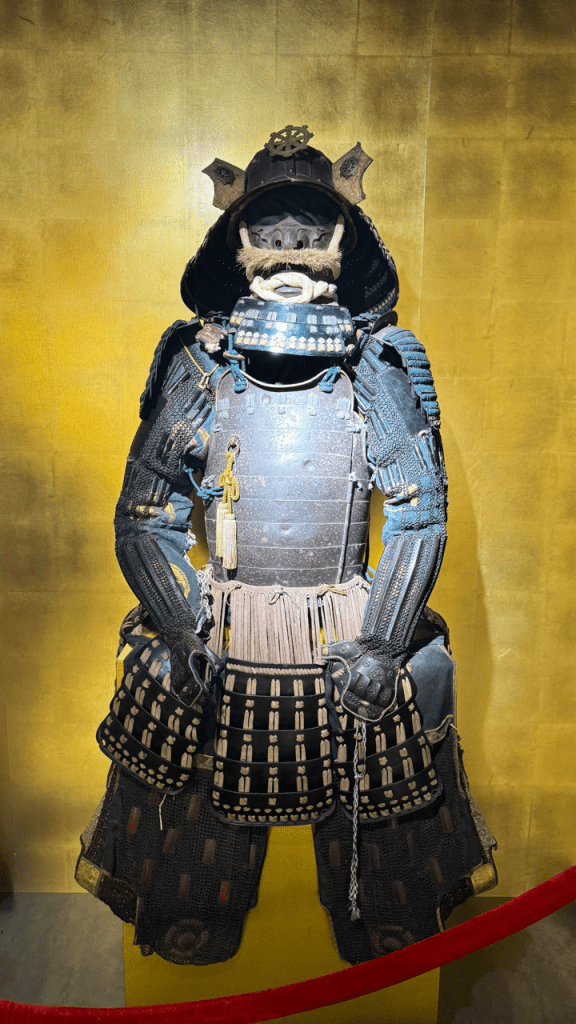
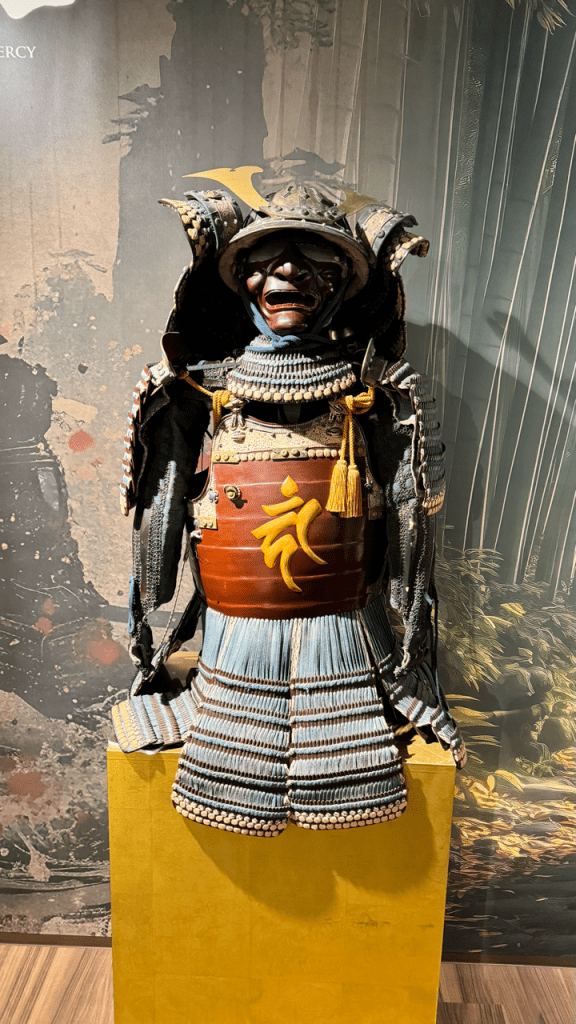
Walking through the museum we saw historical weapons and even real life historical samurai armor, including one that had dents from bullets! Understanding the role of Samurai and Ninjas within Japanese history added so much depth to everything I’d seen throughout Kyoto so far and gave me an even greater appreciation for and desire to learn more about Japanese Samurai history. This experience is an absolute must if you want history and context, not just photos, for your Japanese adventure.
After leaving the Samurai and Ninja Museum, we unexpectedly wandered toward Shosei-en Garden, a peaceful traditional senzui style Japanese garden just a short walk from Kyoto Station. While Kyoto is filled with temples and grand historic sites, Shosei-en felt different. It felt quieter, almost like stepping into a hidden pocket of calm tucked away from the rhythm of the city.
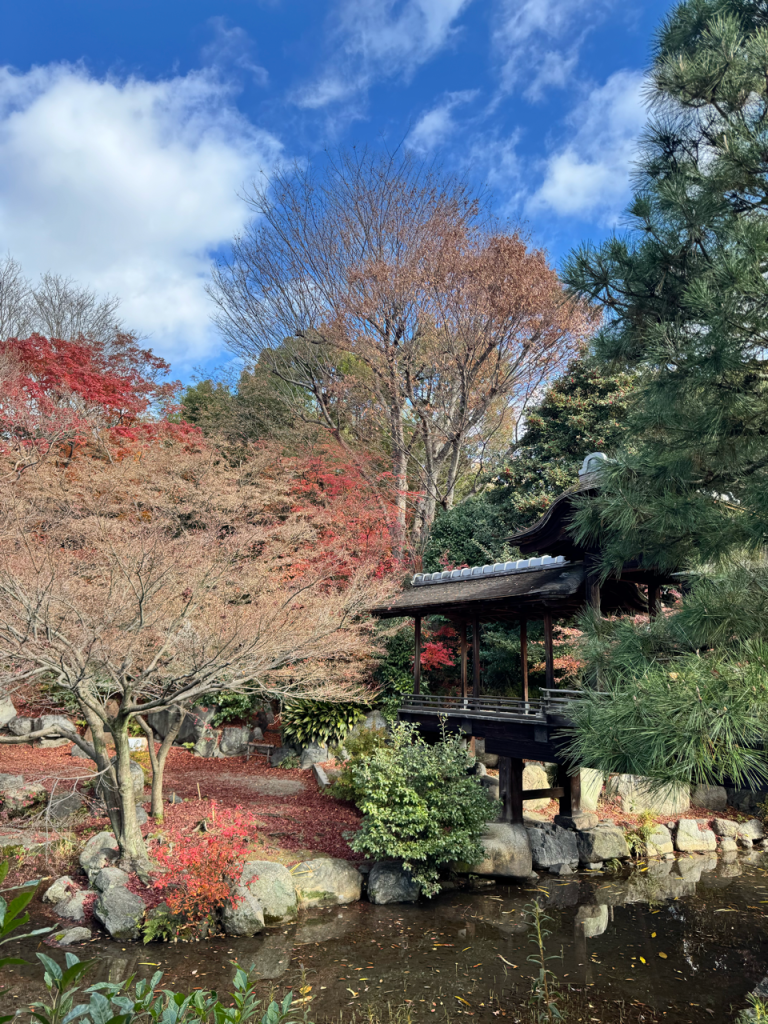
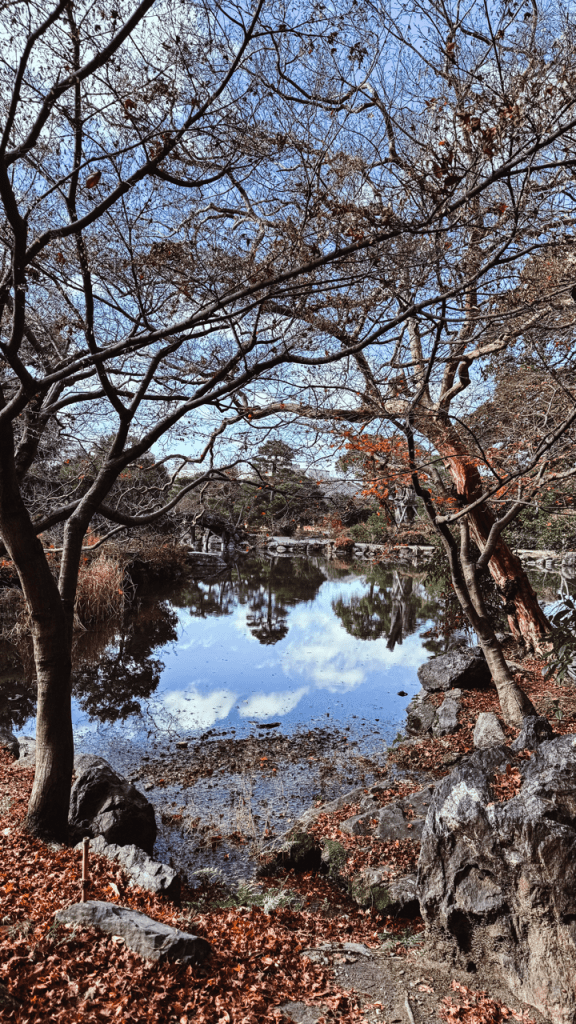
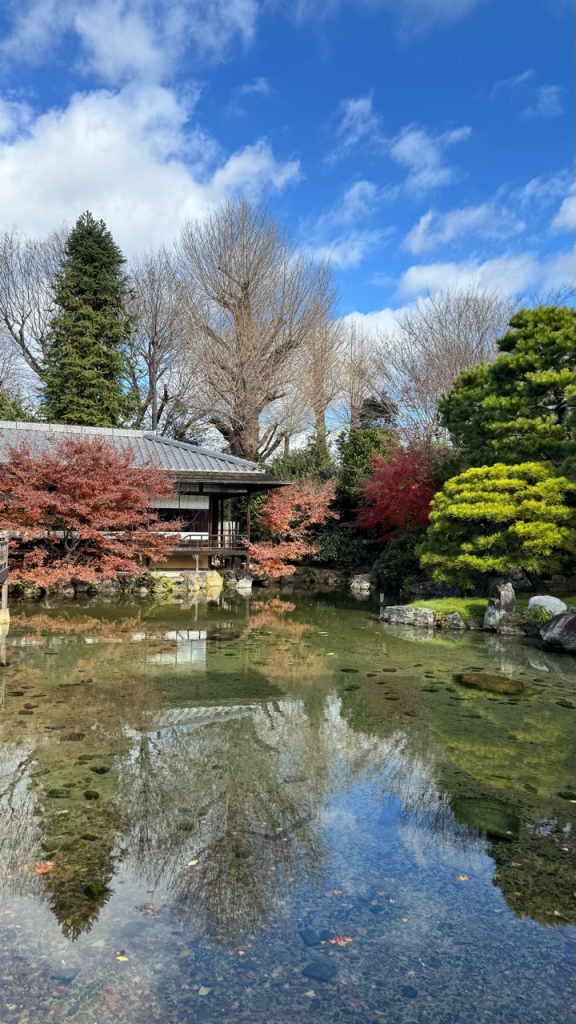
The garden is centred around a large pond surrounded by carefully designed walking paths, wooden bridges, and teahouses that appear almost like small paintings placed within the landscape. What I loved most was how intentional everything felt. Japanese gardens aren’t meant to be rushed through, they are designed to be slowly explored. I found myself lingering longer than I expected, sitting on the bench of Rinchitei House and simply watching the breeze move through the trees and taking in the view. In that quiet moment, my thoughts drifted to Freya. She had passed away a week before we travelled to Japan and the stillness of the place made her absence feel both heavier and strangely gentler at the same time. Freya had always been the calm centre of our home, and somehow sitting in the garden, watching the trees sway softly, reminded me of the same steady presence she brought into my life. Travel has a way of creating small spaces for reflection, and in that moment I realised that even when those we love are gone, they still find quiet ways of travelling with us.
Quick tips for visiting the Samurai and Ninja Museum and Shosei-en Garden:
- Book tickets ahead: The Samurai and Ninja Museum offers guided experiences that can fill up quickly, so booking in advance is recommended.
- Join in the activities: Some experiences allow you to try ninja techniques or hold replica samurai weapons, which adds to the fun and learning.
- Visit Shosei-en Garden afterward: It’s only a short walk away and offers a peaceful contrast after the interactive museum experience.
- Take your time: Shosei-en Garden is designed for slow wandering, so follow the paths around the pond and allow yourself time to sit and enjoy the scenery.
Kyoto isn’t a city you rush through, and this 5-day Kyoto itinerary was never about ticking off landmarks or chasing a checklist. It was about slowing down, paying attention, and finding beauty in the quiet, in-between moments. Some of my favourite memories weren’t the “must-see” sights, but the unexpected ones. A shrine I stumbled across by accident. A moment quietly watching a cat perched on a roof in a shrine. An unexpected live show of traditional music in a shrine hidden in a marketplace.
If you’re planning your first trip, let this be your reminder that you don’t need to see everything for a place to leave its mark on you. In fact, Kyoto teaches you the opposite. It teaches you that travel can be soft. It can be slow. It can be deeply personal without you even realising it. And if you let it, Kyoto will show you how.
If you loved discovering Kyoto, check out my recent Tokyo adventure for more Japanese city inspiration. Your next travel adventure might just be a click away!
Much love,
Lara X
Psst. Follow me on social media!
Never Miss An Update!
Join the Rosé Nomad Tribe and be alerted to new blog posts right in your inbox (I promise not to spam you!)
You might also like
A Soft Landing in Tokyo: 3 Gentle Days of Slow Travel, Small Joys and Quiet Healing After Loss
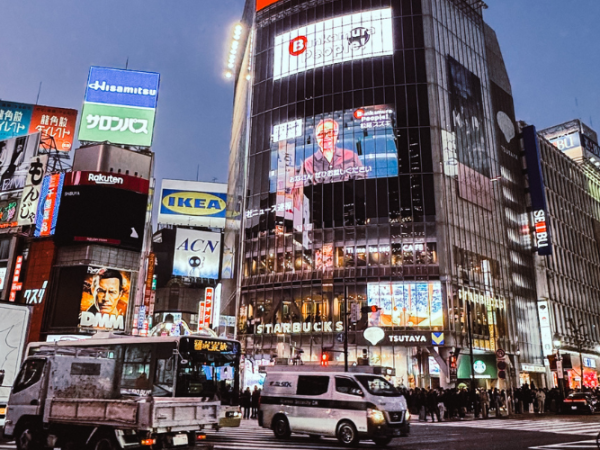
Tokyo is a city that defies explanation. It is a neon-lit paradox where the world’s busiest pedestrian crossing sits just blocks away from silent, incense-scented temples. For a slow, intentional wanderer at heart, Tokyo becomes a playground of quiet magic. We spent three days soaking in the magic of Japan’s capital before heading south, and…
Read More
Vale Freya: Lessons From My Dog on Pet Loss, Grief, Love, and Living Fully in 2026
Some stories you never want to write. Not because they aren’t important, but because writing them makes them real. Saying goodbye to Freya is one of those stories.
As we step into the new year, I want to reflect not on loss alone, but on love, courage, and the lessons our little lady taught me.…
Read More
Six Months of Learning French at Alliance Française: My Honest Experience So Far
Learning a new language has been on my bucket list for years, but my real dream? To speak French confidently—even just on holiday. Six months into classes at Alliance Française, I’ve discovered that chasing this dream is less about perfection and more about joy, growth, and the little wins along the way. Here’s my honest…
Read More
How Running the City2Surf Helped Me Celebrate 15 Years Cancer-Free and Find Myself Again
What do you do to mark 15 years in remission? Well, I signed up for a 14km fun run with 90,000 strangers—and it turned into one of the most meaningful experiences of my life.
In this post, I share the story behind my first City2Surf, the surprising strategy that helped me cross the finish line…
Read MoreLatest on the ‘Gram

 Rosè Nomad